The Problem of Evil (Suffering)
Thoughtful atheists often provide arguments against God’s existence, and the most significant of these is the problem of evil and suffering.
Versions of the Problem
The problem of suffering can be approached in two ways:
Intellectual: Concerns whether it is plausible to believe that God and suffering can coexist.
Emotional: Concerns a personal dislike of a God who would permit suffering.
The Intellectual Problem of Suffering
When discussing the intellectual problem of suffering, it is important to identify who has the burden of proof. The atheist is the one making the claim that God and suffering cannot or are unlikely to coexist. Therefore, the atheist must provide an argument to support this conclusion.
Logical Version: "It’s Logically Impossible for God and Suffering to Coexist."
The logical version of the problem of evil asserts that it is logically impossible for both God and suffering to exist, similar to a "married bachelor" or a "square circle."
The argument is typically framed as follows:
If an omnipotent, omniscient, and omnibenevolent God exists, then evil and suffering do not.
There is evil and suffering in the world.
Therefore, an omnipotent, omniscient, and omnibenevolent God does not exist.
This argument contains two hidden assumptions:
If God is all-powerful, He can create any world that He wants.
If God is all-loving, He prefers a world without evil and suffering.
The atheist's argument is that an all-loving and all-powerful God both can and wants to create a world without evil. Therefore, such a world should exist. But since suffering does exist, God must not.
However, are these assumptions necessarily true?
Can God create any world He wants? Not if people have free will. It is logically impossible to make someone do something freely. If an unbeliever insists that an all-powerful being can do the logically impossible, then the problem of suffering evaporates, as God could then make Himself and suffering coexist, even if it were logically impossible.
Does God prefer a world without suffering? Not necessarily. God could have overriding reasons for allowing suffering, just as we permit suffering for a greater good (like taking a child to the dentist). The atheist would have to prove that it's impossible for a world with suffering and free will to be better than a world without them, which is an incredibly heavy burden of proof.
Evidential Version: "It’s Improbable That God Could Have Good Reasons for Permitting Suffering."
The evidential (or probabilistic) version of the problem of evil argues that while it might be logically possible for God and evil to coexist, the sheer amount and types of suffering we see make God's existence improbable.
Here are several responses to this claim:
1. Human Limitations
We are not in a position to judge that it is improbable that God has good reasons for the suffering in the world. As finite beings, we are limited in space, time, intelligence, and insight. God, however, sees history from beginning to end and can providentially order it to achieve His purposes through people's free choices. Suffering that appears pointless to us may be justly permitted within God's wider framework.
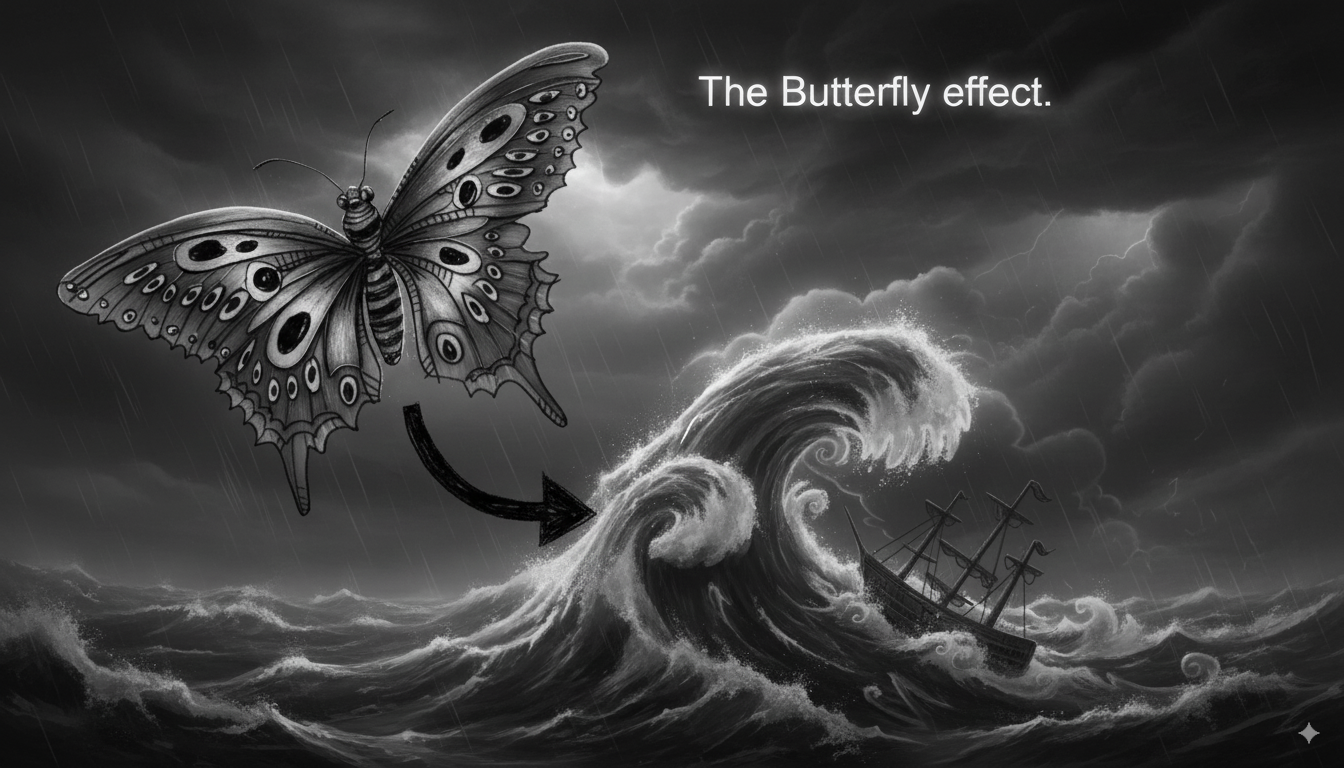
This is not an appeal to mystery, but a recognition of our inherent cognitive limitations. Unbelievers recognize these same limitations in other contexts, such as in critiques of utilitarianism, where it is noted that we cannot know the ultimate outcome of our actions.
2. The Full Scope of the Evidence
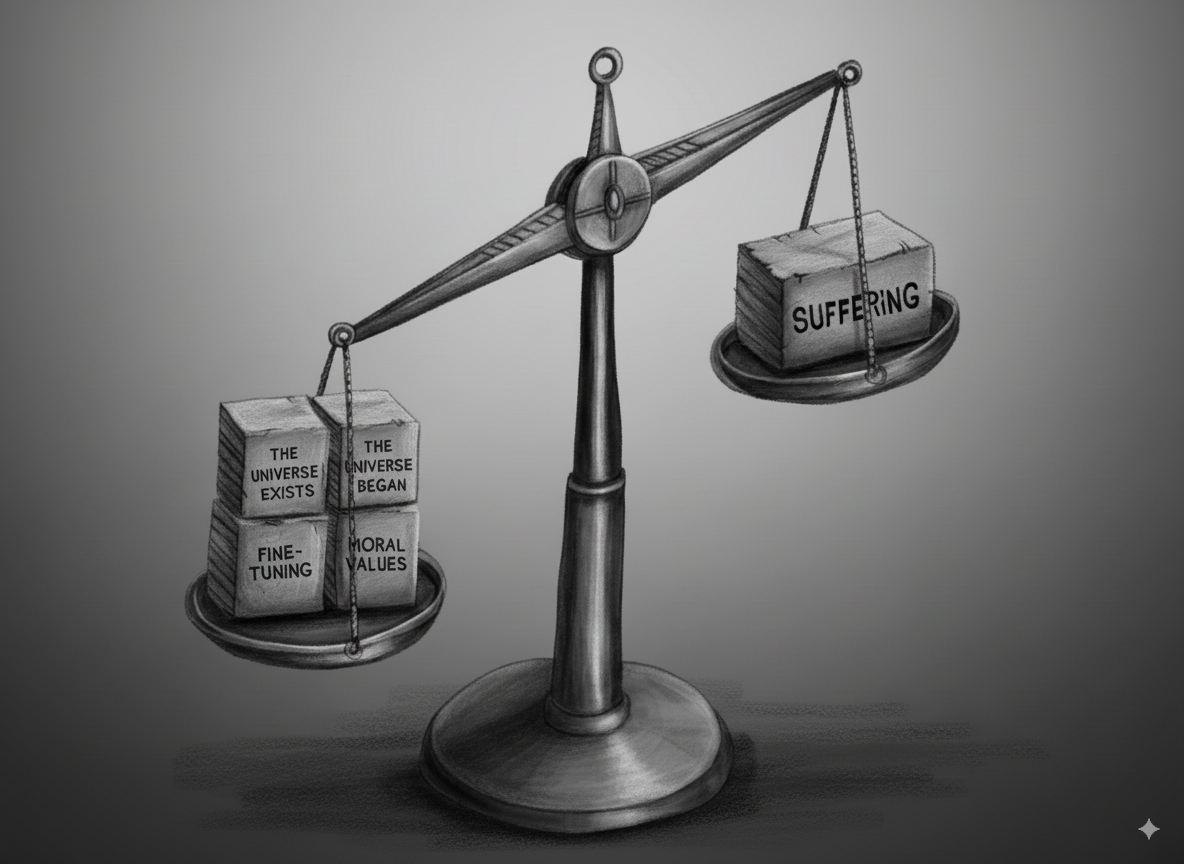
Probabilities are relative to background information. The question is not whether God's existence is probable given only the suffering in the world, but whether it is probable given the full scope of the evidence. The evidence for God's existence from natural theology, such as the cosmological, teleological, and moral arguments, may outweigh the evidence against God from the problem of evil.
3. Christian Doctrines
Christianity contains specific doctrines that increase the probability of the coexistence of God and suffering:
The chief purpose of life is not happiness, but the knowledge of God.
Mankind is in a state of rebellion against God and His purpose.
God’s purpose extends beyond this life into eternal life.
The knowledge of God in glory is an incommensurable good that outweighs the suffering of this life.
The Apostle Paul, who endured immense hardship, wrote:
The Problem of Animal Suffering
Some philosophers, like Michael Murray in his book Nature Red in Tooth and Claw, argue that animal suffering may not be morally significant in the same way human suffering is. One argument is that non-human animals may lack a first-person perspective, meaning they experience pain but are not aware that they themselves are in pain.
For more on this topic, see " #355 Animal Pain Re-visited " on ReasonableFaith.org.
The Emotional Problem of Suffering
For many, the problem of evil is not an intellectual puzzle but an emotional one. They may feel hurt or bitter toward a God who would permit such suffering. For them, philosophical solutions may not matter; they reject a God who allows the evil they see in the world.
When addressing the emotional problem, the most important thing is often not what is said, but simply being present as a loving friend and sympathetic listener. However, Christian theism also offers profound resources for dealing with this struggle.
As philosopher Alvin Plantinga writes, God is not a distant, cool observer. He enters into our suffering:
For a powerful real-life example of finding joy and meaning in the midst of extreme suffering, see The Story of Mabel—a woman who, despite 25 years of blindness, deafness, and painful illness, sang hymns of praise and said "I think about my Jesus... He's been awfully good to me."